Blockchain and Climate Disaster Preparedness
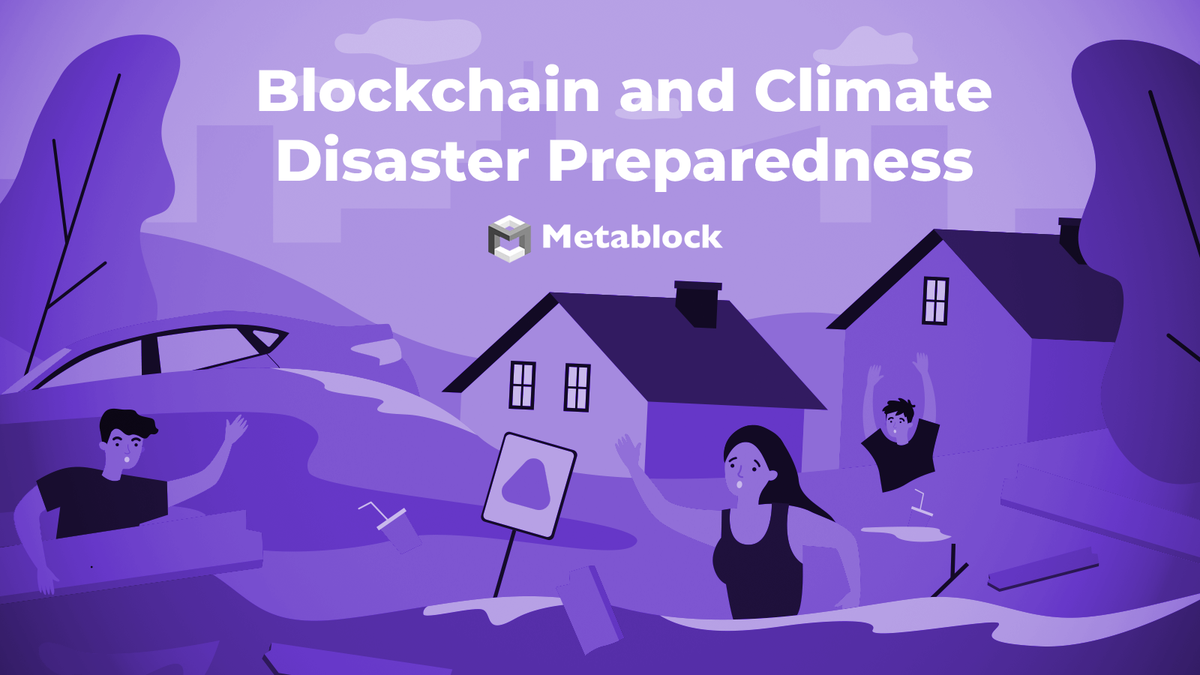
Climate disasters are becoming more frequent and severe worldwide. Hurricanes, floods, wildfires, and droughts continue to place pressure on governments, emergency services, and humanitarian organizations. As communities search for more effective ways to prepare for and respond to these events, blockchain technology is emerging as a valuable tool for improving disaster preparedness and recovery efforts.
Blockchain is a decentralized digital ledger that securely records information across multiple systems. Unlike traditional databases, blockchain records cannot easily be changed or deleted. This creates a transparent and reliable system for storing and sharing information. Although blockchain is commonly associated with cryptocurrencies, its practical applications extend far beyond digital finance. In the context of climate disaster preparedness, blockchain has the potential to improve communication, coordination, and trust between organizations and communities.
One of the most important uses of blockchain during disasters is supply chain management. Emergency response efforts often face delays due to damaged infrastructure, poor coordination, or a lack of accurate information. Blockchain technology can help track the movement of essential supplies such as food, water, medicine, and shelter equipment in real time. Aid organizations and government agencies can access the same verified information, reducing confusion and improving efficiency. This transparency also lowers the risk of fraud and ensures that resources reach the people who need them most.
Blockchain can also strengthen climate monitoring and early warning systems. Accurate weather and environmental data are essential for preparing communities before disasters occur. Traditional data systems are often centralized, making them vulnerable to technical failures or cyberattacks during emergencies. A blockchain network allows climate data to be securely shared across multiple locations, making the system more reliable and accessible. Scientists, governments, and local organizations can work together using verified information to make faster and more informed decisions.
Another significant application involves digital identity management for displaced populations. Natural disasters frequently destroy personal identification documents, making it difficult for individuals to access shelters, healthcare, or financial assistance. Blockchain-based digital identities can securely store personal records that remain accessible even if physical documents are lost. This technology can help disaster victims receive aid more quickly while improving the overall efficiency of relief operations.
Financial recovery is another area where blockchain can provide support. Smart contracts, which are automated agreements stored on blockchain networks, can simplify disaster insurance claims. For example, insurance payments could be automatically triggered when official weather data confirms a disaster. This reduces administrative delays and allows affected individuals and businesses to recover more quickly after a crisis.
Despite these advantages, blockchain technology still faces challenges. Some blockchain systems consume significant energy, raising environmental concerns. However, newer systems are being designed with improved energy efficiency and sustainability in mind. In addition, successful implementation depends on reliable internet access, technical infrastructure, and cooperation among governments, private companies, and humanitarian organizations.
Blockchain technology offers a promising approach to improving preparedness and response to climate disasters. By increasing transparency, strengthening coordination, and improving access to reliable information, blockchain can help communities become more resilient in the face of growing climate risks. As environmental challenges continue to intensify, innovative technologies such as blockchain may play an increasingly important role in protecting lives and supporting recovery efforts.