Blockchain and the Future of Shared Ownership
Ownership has traditionally been straightforward, one person or one company owns an asset. But blockchain technology is transforming this concept by making shared ownership more secure, transparent, and accessible than ever before.
At its core, blockchain is a decentralized digital ledger that records transactions across a network of computers. Unlike traditional databases controlled by a single organization, blockchain ensures that records are immutable and visible to all participants. This transparency builds trust, making it an ideal foundation for shared ownership models.
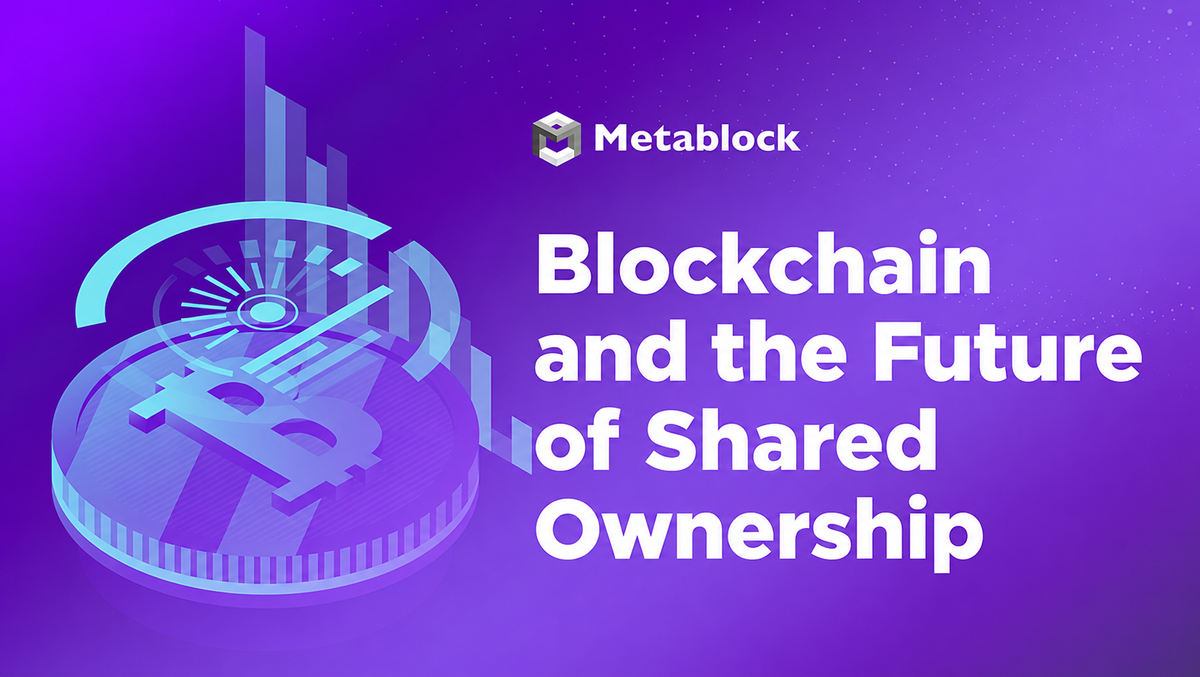
One of the biggest innovations enabled by blockchain is tokenization. Tokenization converts ownership rights of a physical or digital asset into digital tokens stored on a blockchain. These tokens can represent fractions of assets such as real estate, artwork, renewable energy projects, or even intellectual property. Instead of needing millions to invest in commercial property, individuals can own a small percentage by purchasing tokens representing their share.
This fractional ownership lowers barriers to entry and opens investment opportunities to a broader audience. It also improves liquidity, allowing investors to buy and sell ownership stakes more easily than with traditional assets, which often require lengthy legal and financial processes.
Blockchain also enhances governance through smart contracts, self-executing agreements with rules written directly into code. Smart contracts automatically distribute profits, voting rights, or dividends according to predefined conditions. This reduces administrative costs, minimizes disputes, and eliminates the need for many intermediaries.
Beyond investing, shared ownership powered by blockchain has applications across numerous industries. Community-owned renewable energy projects can distribute revenue fairly among participants. Musicians and artists can share royalties transparently with collaborators. Gaming communities can collectively own digital assets, while decentralized organizations allow members to vote on decisions without centralized management.
Despite its promise, challenges remain. Regulatory uncertainty continues to evolve across different countries, and legal frameworks for tokenized assets are still developing. Security is another concern, as users must protect their digital wallets and private keys. Additionally, widespread adoption depends on improving user experience so blockchain platforms become as intuitive as traditional financial services.
Looking ahead, blockchain is likely to play a significant role in reshaping ownership in the digital economy. As regulations mature and technology becomes more user-friendly, shared ownership models could become commonplace, enabling greater financial inclusion and creating new opportunities for collaboration and wealth creation.
Blockchain is not simply changing how transactions are recorded, it is redefining who can own valuable assets and how ownership is managed. By making participation more transparent, efficient, and accessible, blockchain has the potential to democratize ownership and unlock entirely new economic possibilities for individuals and communities worldwide.